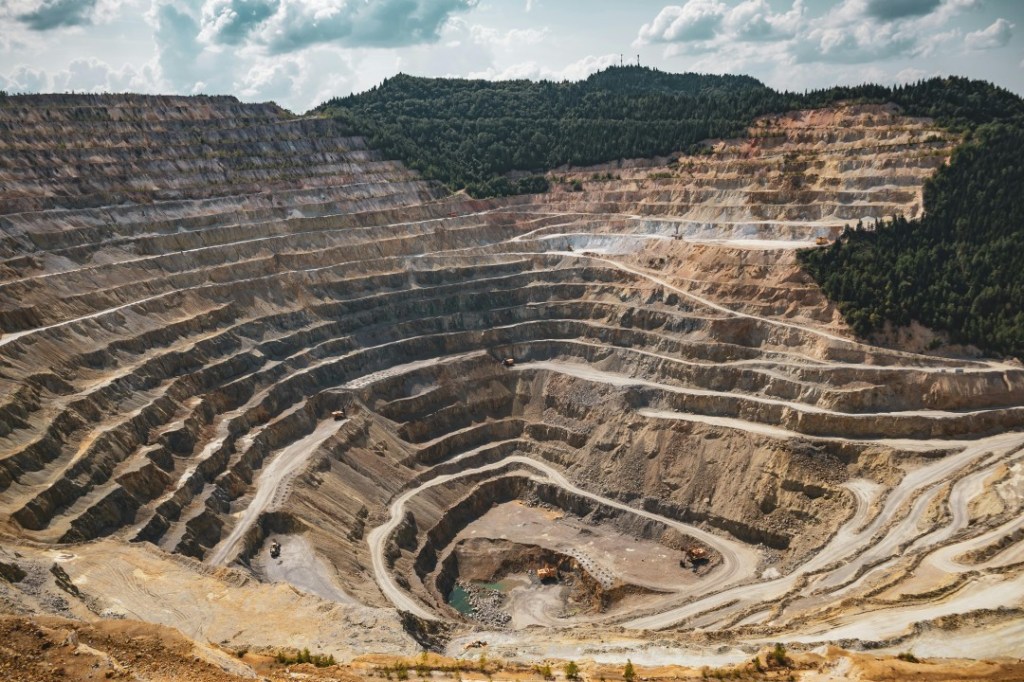
From 2016 to 2019, over 90% of the lithium imported to the U.S. came from Argentina (55%) and Chile (36%), highlighting the U.S.’s heavy reliance on these countries for lithium imports. In 2022, the U.S. net import reliance on lithium was approximately 25%, indicating a significant portion of lithium used in the U.S. was imported. The total import value of lithium-ion batteries nearly tripled since 2020, reaching $13.9 billion in the last year reported. Anticipated positive shifts in these figures are on the horizon, thanks to the potential contributions from McDermitt Caldera. The Caldera, located on the border of Nevada and Oregon, is a significant geological feature that has garnered attention for its potential as a lithium resource.
Economic Impact:
The economic implications of lithium mining in the McDermitt Caldera are substantial. According to a report prepared by the University of Nevada, the construction and operation of a new lithium mine and processing plant in Humboldt County, Nevada, could have a transformative effect on the local economy. The construction phase alone is projected to cost nearly $4 billion over seven years, creating jobs and generating tax revenue. The operation of the mine is expected to continue contributing to the economy through employment and ongoing fiscal inputs. The potential for the McDerritt Caldera to contain the world’s largest deposit of lithium, with estimates ranging from 20 to 40 million metric tons, could position the U.S. as a key player in the global lithium market. This would reduce the country’s reliance on foreign sources of lithium and could have far-reaching economic benefits, including increased energy independence and support for the burgeoning electric vehicle industry.
Environmental Impact:
The environmental consequences of lithium mining are a significant concern. The New York Times reported that the Lithium Americas project, which is located within the southern end of the McDermitt Caldera, has faced opposition due to its expected consumption of billions of gallons of groundwater and the potential for long-term contamination. The environmental footprint of the mine, including the creation of a large waste mound, has also been criticized. The extraction of lithium from claystone in the caldera is subject to ongoing development, with various processes, including acid leaching, being tested. While these methods may offer a domestic source of lithium, they also raise questions about the sustainability of the extraction processes and the management of associated waste products.
It becomes evident that the potential economic gains outweigh the projected environmental impacts. However, this emphasizes the critical need for responsible and sustainable mining practices to ensure that the region can harness its lithium potential without compromising its natural surroundings. McDermitt Caldera’s lithium potential presents a remarkable opportunity for economic growth, offering increased employment and boosting the regional GDP. Nevertheless, it is imperative to approach lithium extraction with caution, implementing rigorous environmental measures to minimize ecological impacts. Striking a balance between economic development and environmental stewardship is the key to unlocking McDermitt Caldera’s lithium treasure responsibly and ensuring a sustainable future for the surrounding communities.

 THE CATALYST
Leave a comment