Artificial Intelligence (AI) is increasingly becoming a vital tool in the fight against environmental issues in the ocean. AI technologies are being leveraged to tackle challenges such as plastic pollution, overfishing, and the preservation of coral reefs. Here are some specific examples of how companies and organizations are using AI to address these pressing concerns.
One of many threats to ocean health is plastic pollution. Companies like The Ocean Cleanup and Xyonix are using AI to identify plastic pollution in rivers and oceans and simulate their movements, offering an efficient approach to cleaning up larger concentrations of trash.
Overfishing is another critical challenge, leading to the depletion of fish populations and ecological imbalance. AI algorithms are being employed to scan the oceans for signs of overfishing and identify depleted fish populations. Organizations like OceanMind have developed AI model that predict fishing behavior by pulling public data on vessel positioning into the cloud and tracking each boat in real time and flag suspicious activities to government agencies.
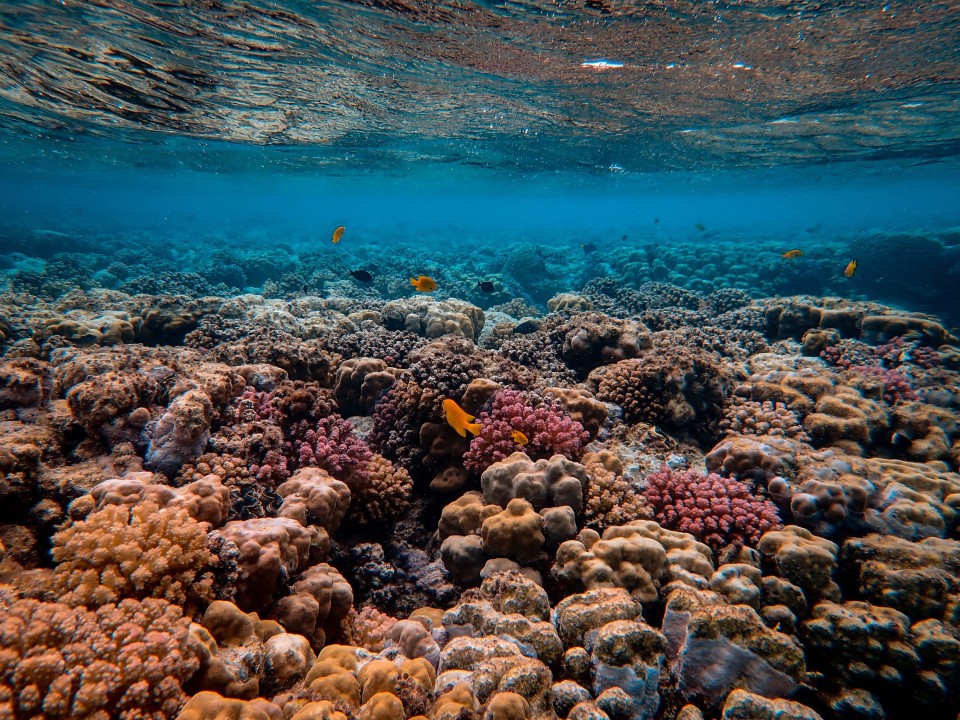
Coral reefs are vital to marine biodiversity but are also under threat from various factors. Companies like Accenture, in collaboration with industry partners, have developed AI solutions for coral reef restoration. Project CORaiL by Accenture has collected over 71,000 images to analyze fish populations and gauge reef health in real-time. Similarly, Google and CSIRO have developed an AI model to analyze underwater images of the crown-of-thorns starfish, a species that is harmful to coral reefs. CUREE, developed by Woods Hole Oceanographic Institution (WHOI), is an AI-driven robot trained to identify and track marine life in coral reefs. This robot is designed to withstand tough environmental conditions and can help further the Coral Reef preservation research.
The Monterey Bay Aquarium Research Institute (MBARI) has developed a program called Ocean Vision AI, which uses AI to process the vast amounts of data collected about the ocean. This program aims to provide a central hub for research using underwater imaging, artificial intelligence, and open data. It also seeks to educate the public through game-based environment, teaching gamers about the ocean while improving the AI models.
In summary, AI is proving to be an indispensable ally in the quest to solve environmental issues in the ocean. By harnessing the power of AI, organizations are developing innovative solutions that can lead to more sustainable practices and the preservation of marine ecosystems. As AI technology continues to advance, we can expect even more effective and efficient ways to protect our oceans for future generations.

 THE CATALYST
Leave a comment