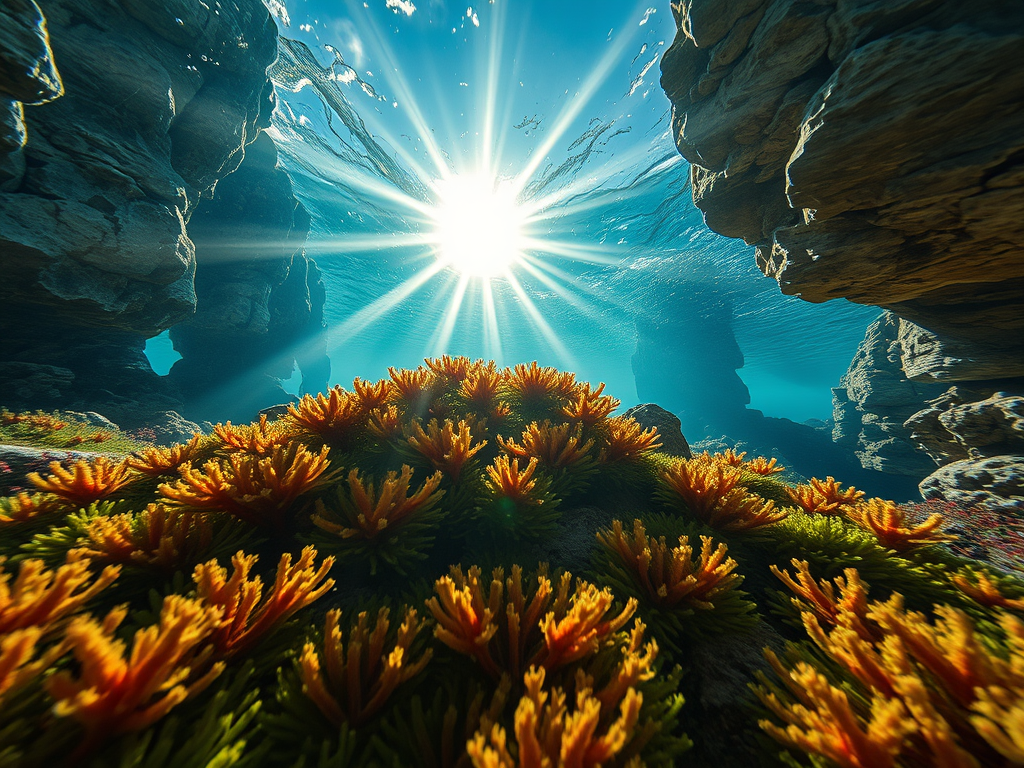
Algae, photosynthetic bacteria, and plants convert water and CO₂ to carbohydrates and oxygen when sunlight is present. When there is no sunlight, non-photosynthetic organisms combine the oxygen and carbohydrates back to form CO₂, water, and energy. Imbalances occur during these processes when carbon compounds are removed from the carbon cycle for a very long time (millions of years). This imbalance also creates free molecular oxygen in the atmosphere.
CO₂ present in the atmosphere easily dissolves in water and forms carbonic acid, which acidifies the water. The carbonic acid dissociates when the pH of the water reaches between 6.3-10.3 to form carbonate or bicarbonate compounds. The presence of cations such as calcium will then form carbonate or bicarbonate salts. Some of these salts form insoluble solids known as limestone. Heating limestone to approximately 1600ᵒF will form lime and release CO₂ as a byproduct. This is the common process to create cement. Combusting carbon-containing materials such as fossil fuels is another important reaction that also releases CO₂. For example, when methane and oxygen are combined, the product is CO₂, water, and heat. Most of the industries that release CO₂ emissions are simply reintroducing carbon compounds that were removed from the carbon cycle millions of years before.
Author: Mohamed Hersi, Licensed Environmental Engineer (P.E.)
 THE CATALYST
Leave a comment