THE CATALYST
Inspiring Change, One Article at a Time
recent posts
about
Category: Uncategorized
-

In recent years, few companies have been addressing the global waste crisis by converting trash into valuable energy resources. According to the World Bank, global waste generation is predicted to rise from 2.01 billion metric tons in 2016 to 3.40 billion metric tons by 2050. This massive amount of waste poses significant environmental and health…
-
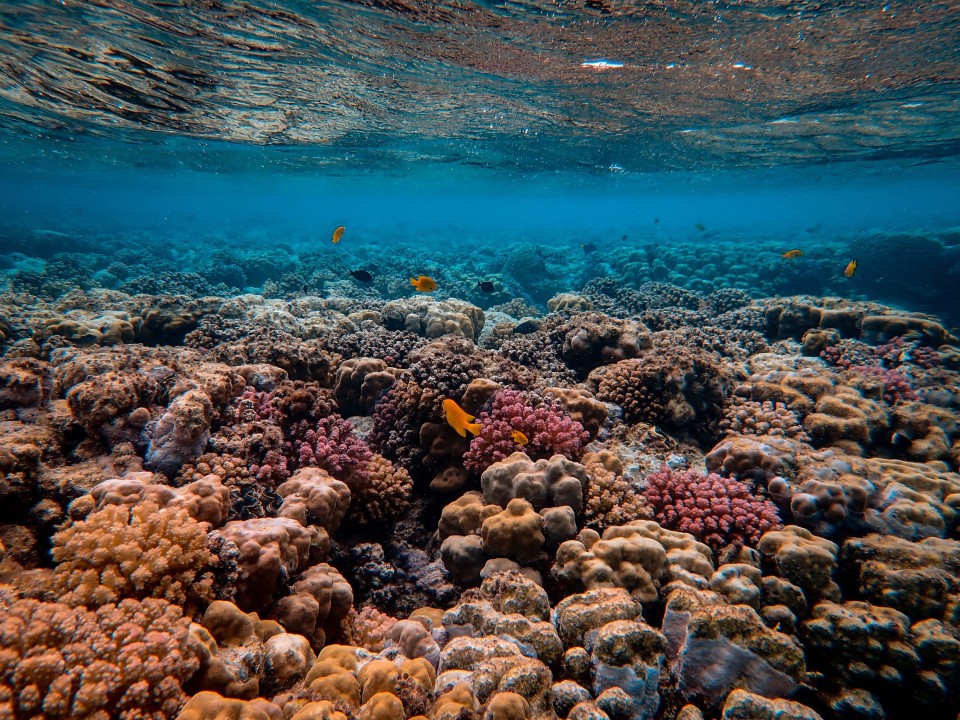
Artificial Intelligence (AI) is increasingly becoming a vital tool in the fight against environmental issues in the ocean. AI technologies are being leveraged to tackle challenges such as plastic pollution, overfishing, and the preservation of coral reefs. Here are some specific examples of how companies and organizations are using AI to address these pressing concerns.…
-

With all the noise lately about the boom of AI, how can we leverage this technology to solve complex environmental issues? AI will play a significant role in environmental engineering, helping to address complex problems related to sustainability, climate change, and environmental conservation. AI can convert real-world complexities into predictable models, aiding in the creation…
-
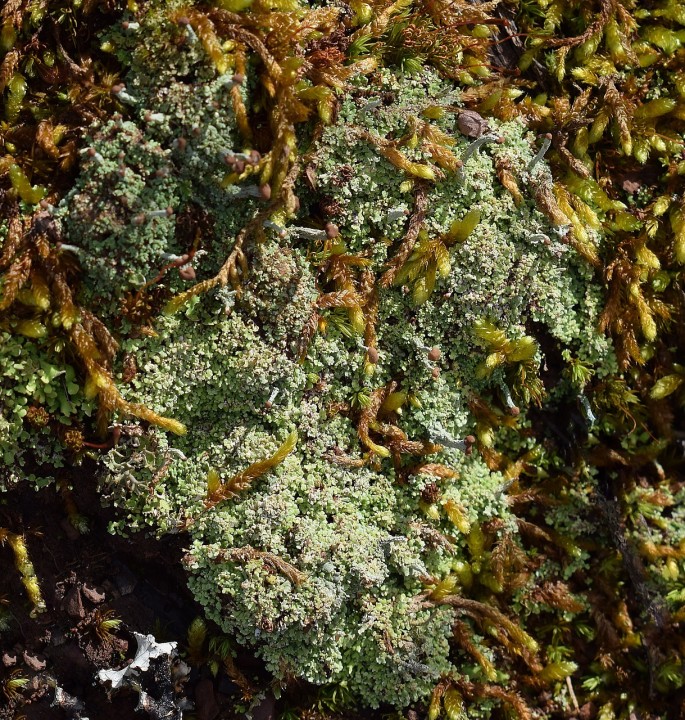
The Tale of Cyanobacteria In the vast ocean of Earth’s history, a tiny but mighty creature played a crucial role in shaping the world we know today. Meet cyanobacteria, microscopic organisms that lived in the ancient oceans billions of years ago. These tiny beings had a special superpower, the ability to perform photosynthesis. Just like…
-
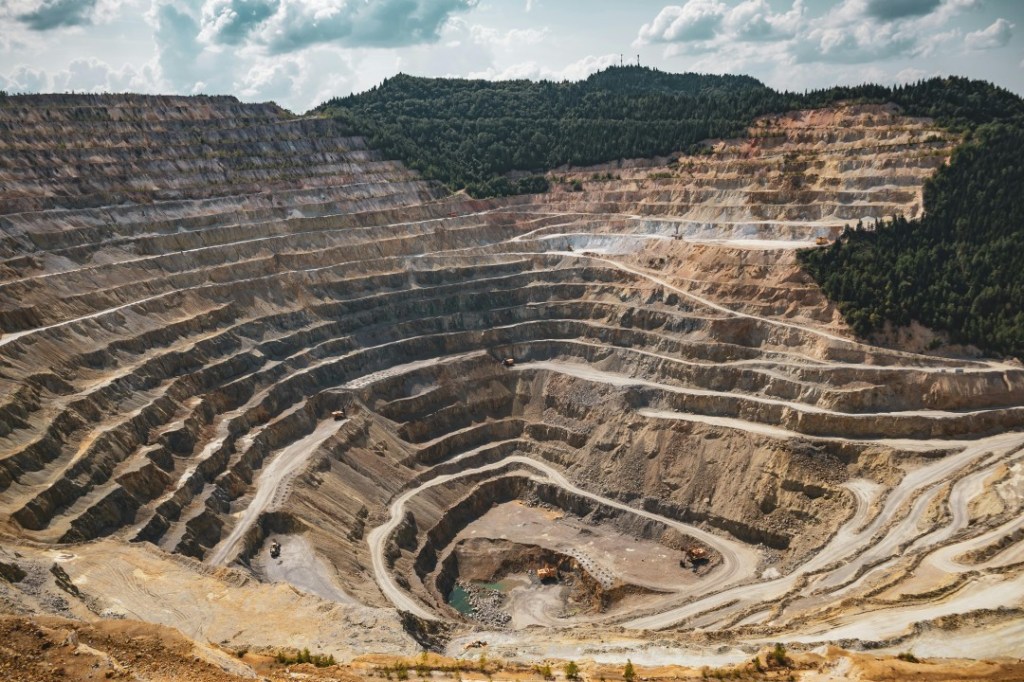
From 2016 to 2019, over 90% of the lithium imported to the U.S. came from Argentina (55%) and Chile (36%), highlighting the U.S.’s heavy reliance on these countries for lithium imports. In 2022, the U.S. net import reliance on lithium was approximately 25%, indicating a significant portion of lithium used in the U.S. was imported. The…
-
A recent study published in PNAS (June 2024) presents the first high-resolution, monthly mapping of indoor radon concentrations across the United States from 2001 to 2021. Researchers analyzed over 6 million indoor radon measurements and combined nearly 200 environmental, geological, meteorological, and housing variables using machine learning. This method provides detailed, community-level radon risk predictions with far…
 THE CATALYST