• Turning Trash into Usable Energy

    In recent years, few companies have been addressing the global waste crisis by converting trash into valuable energy resources. According to the World Bank, global waste generation is predicted to rise from 2.01 billion metric tons in 2016 to 3.40 billion metric tons by 2050. This massive amount of waste poses significant environmental and health risks if it is not managed properly. However, it also presents an opportunity for innovative solutions. The global waste-to-energy (WtE) market was valued at $35.1 billion in 2019 and is projected to reach $50.1 billion by 2027.

    WtE technologies present a promising approach to tackling the waste crisis while generating energy. These processes convert various types of waste into usable forms of energy, such as electricity, heat, or transportation fuels. Below are three companies that are leading this revolution by combining WtE technologies with AI and other cutting-edge innovations:

    1. Enerkem is a Canadian company that employs proprietary thermochemical technology to transform non-recyclable waste into biofuels and renewable chemicals. Enerkem secured $255 million in its most recent funding round on April 6, 2022.
    2. LanzaTech is a New Zealand-based company that recycles carbon from industrial off-gases and various biomass sources to produce sustainable fuels and chemicals. In early 2024, the US Department of Energy chose LanzaTech and Technip Energies to receive a $200 million investment to develop a technology to produce sustainable ethylene from captured carbon dioxide on a commercial scale.
    3. Reworld, as one of the world’s largest operators of WtE facilities, uses advanced technologies to convert waste into clean, renewable electricity. The company operates numerous facilities across North America and Europe.

    By transforming waste into valuable energy, these companies are tackling environmental challenges while simultaneously generating new economic opportunities.

    Author: Mohamed Hersi, Licensed Environmental Engineer (P.E.)
  • Preserving the Ocean with the help of AI

    Artificial Intelligence (AI) is increasingly becoming a vital tool in the fight against environmental issues in the ocean. AI technologies are being leveraged to tackle challenges such as plastic pollution, overfishing, and the preservation of coral reefs. Here are some specific examples of how companies and organizations are using AI to address these pressing concerns.

    One of many threats to ocean health is plastic pollution. Companies like The Ocean Cleanup and Xyonix are using AI to identify plastic pollution in rivers and oceans and simulate their movements, offering an efficient approach to cleaning up larger concentrations of trash.

    Overfishing is another critical challenge, leading to the depletion of fish populations and ecological imbalance. AI algorithms are being employed to scan the oceans for signs of overfishing and identify depleted fish populations. Organizations like OceanMind have developed AI model that predict fishing behavior by pulling public data on vessel positioning into the cloud and tracking each boat in real time and flag suspicious activities to government agencies.

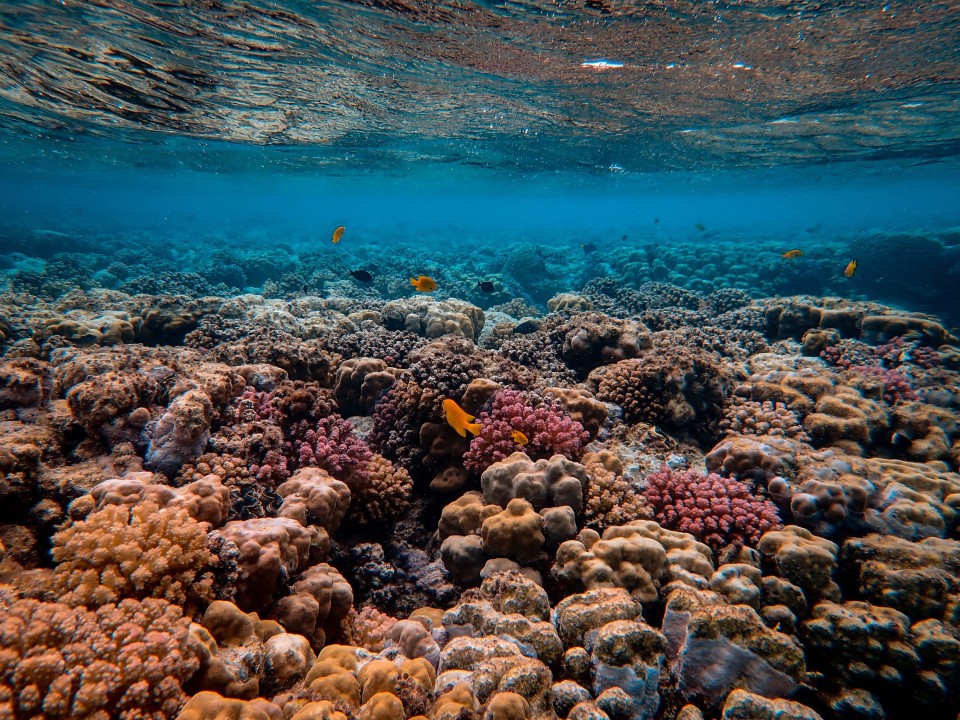
    Coral reefs are vital to marine biodiversity but are also under threat from various factors. Companies like Accenture, in collaboration with industry partners, have developed AI solutions for coral reef restoration. Project CORaiL by Accenture has collected over 71,000 images to analyze fish populations and gauge reef health in real-time. Similarly, Google and CSIRO have developed an AI model to analyze underwater images of the crown-of-thorns starfish, a species that is harmful to coral reefs. CUREE, developed by Woods Hole Oceanographic Institution (WHOI), is an AI-driven robot trained to identify and track marine life in coral reefs. This robot is designed to withstand tough environmental conditions and can help further the Coral Reef preservation research.

    The Monterey Bay Aquarium Research Institute (MBARI) has developed a program called Ocean Vision AI, which uses AI to process the vast amounts of data collected about the ocean. This program aims to provide a central hub for research using underwater imaging, artificial intelligence, and open data. It also seeks to educate the public through game-based environment, teaching gamers about the ocean while improving the AI models.

    In summary, AI is proving to be an indispensable ally in the quest to solve environmental issues in the ocean. By harnessing the power of AI, organizations are developing innovative solutions that can lead to more sustainable practices and the preservation of marine ecosystems. As AI technology continues to advance, we can expect even more effective and efficient ways to protect our oceans for future generations.

    Author: Mohamed Hersi, Licensed Environmental Engineer (P.E.)

  • Leveraging AI for Environmental Solutions

    With all the noise lately about the boom of AI, how can we leverage this technology to solve complex environmental issues?

    AI will play a significant role in environmental engineering, helping to address complex problems related to sustainability, climate change, and environmental conservation. AI can convert real-world complexities into predictable models, aiding in the creation of smart and sustainable cities, and addressing issues like air and water pollution, climate change, and sustainable infrastructure.

    Several companies are already leveraging AI to tackle environmental challenges. Google DeepMind, IBM, Tesla, Microsoft, Descartes Labs, Blue River Technology (a subsidiary of John Deere), Carbon Engineering, and Xylem are among the top companies using AI to optimize energy consumption, predict extreme weather events, revolutionize transportation, protect biodiversity, combat deforestation, enhance agricultural sustainability, capture carbon emissions, manage water resources, monitor air quality, and preserve marine ecosystems.

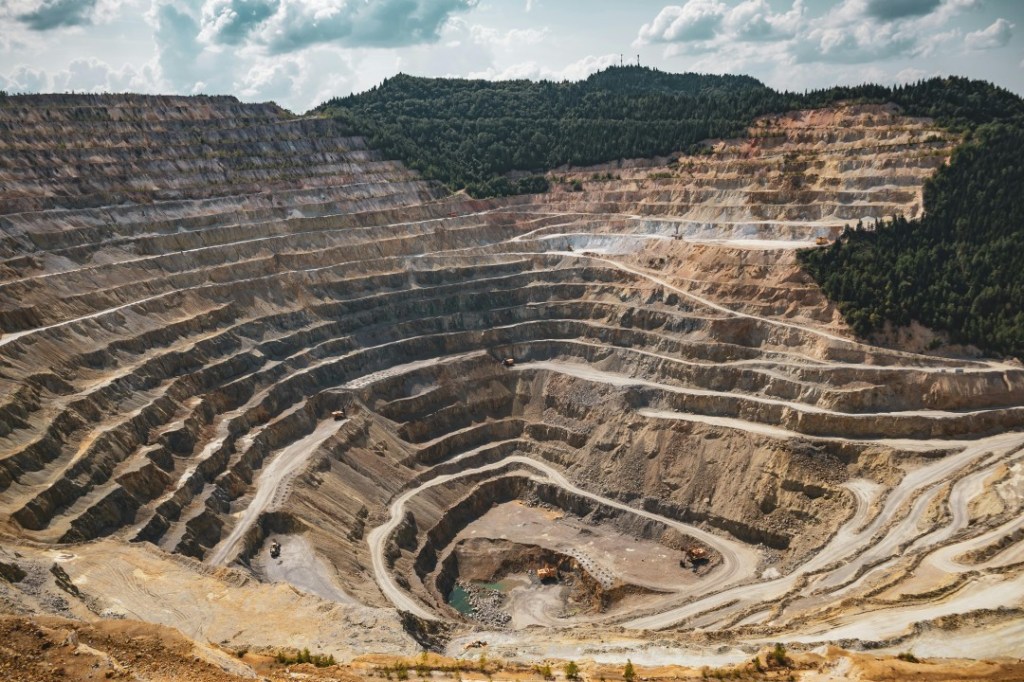
    For instance, KoBold Metals uses AI to make mining more efficient, helping to find new sources of lithium, cobalt, copper, and nickel, which are key materials in battery manufacturing.

    Blue River Technology, a subsidiary of John Deere, uses AI-driven machinery to enhance crop management, contributing to environmental advantages in the agriculture industry.

    IBM’s Environmental Intelligence Suite, an AI-powered Software as a Service (SaaS) platform, helps in forecasting and addressing the impacts of weather and climate.

    Startups are also harnessing AI to address climate change. For example, Eugenie.ai is an emission intelligence platform designed to help manufacturers in the oil and gas industries decarbonize their operations. The platform combines data from satellite images with machine learning to help companies track, trace, and reduce emissions.

    In summary, AI will be a transformative force in environmental engineering, offering innovative solutions to complex environmental problems.

    Author: Mohamed Hersi, Licensed Environmental Engineer (P.E.)

  • How Cyanobacteria and Mighty Plants Shaped Earth’s Climate

    The Tale of Cyanobacteria

    In the vast ocean of Earth’s history, a tiny but mighty creature played a crucial role in shaping the world we know today. Meet cyanobacteria, microscopic organisms that lived in the ancient oceans billions of years ago. These tiny beings had a special superpower, the ability to perform photosynthesis. Just like how we humans breathe in oxygen, cyanobacteria released oxygen into the air.

    A Breath of Fresh Air for Earth

    Imagine cyanobacteria as tiny chefs cooking up oxygen in their oceanic kitchens. Through photosynthesis, they absorbed sunlight, carbon dioxide, and water and turned these ingredients into food for themselves and oxygen for the world. This process, called oxygenic photosynthesis, not only provided cyanobacteria with the energy they needed to survive but also gradually filled the Earth’s atmosphere with the life-giving gas we all breathe in today.

    As cyanobacteria continued their oxygen-producing work, something incredible happened: the Great Oxygenation Event. This event, which occurred around 2.4 billion years ago, marked a turning point in Earth’s history. The atmosphere became flooded with oxygen, transforming the planet and paving the way for the evolution of more complex life forms.

    The Rise of Land Plants

    Fast forward to a few hundred million years later, and a new chapter in Earth’s story unfolds with the rise of land plants. Unlike their microscopic predecessors, land plants were like giants that conquered the dry land. They, too, were skilled in the art of photosynthesis, taking in carbon dioxide and releasing oxygen. As they spread across the continents, they too significantly increased the oxygen levels in the atmosphere.

    From Greenhouse to Icehouse

    While cyanobacteria and land plants were busy releasing oxygen, they inadvertently set the stage for a dramatic climatic event—the Ice Age. As oxygen levels rose, they interacted with other gases in the atmosphere, creating a greenhouse effect that initially warmed the planet.

    However, as land plants continued to thrive, they played a crucial role in weathering rocks. This weathering process gradually removed carbon dioxide from the atmosphere faster than it was replenished, leading to a cooling effect. The combination of increased oxygen levels and reduced carbon dioxide resulted in a climate shift, transforming Earth from a warm state to a chilly one, ultimately causing the Ice Age.

    In conclusion, many forms of life had to adapt to the changing conditions during the Great Oxygenation and Ice Age. Some species thrived while others struggled to survive. However, the adaptation and evolution of species over time allowed them to persist through different climate changes.

    Are we standing at the brink of yet another significant climate shift?

    For more details about how cyanobacteria, land plants, and humans have shaped the Earth, check out this book, Elemental: How Five Elements Changed Earth’s Past and Will Shape Our Future.

    Author: Mohamed Hersi, a registered Environmental Engineer (P.E.)

  • McDermitt Caldera Lithium Potential: Balancing Economic Growth and Environmental Conservation

    From 2016 to 2019, over 90% of the lithium imported to the U.S. came from Argentina (55%) and Chile (36%), highlighting the U.S.’s heavy reliance on these countries for lithium imports. In 2022, the U.S. net import reliance on lithium was approximately 25%, indicating a significant portion of lithium used in the U.S. was imported. The total import value of lithium-ion batteries nearly tripled since 2020, reaching $13.9 billion in the last year reported. Anticipated positive shifts in these figures are on the horizon, thanks to the potential contributions from McDermitt Caldera. The Caldera, located on the border of Nevada and Oregon, is a significant geological feature that has garnered attention for its potential as a lithium resource.

    Economic Impact:

    The economic implications of lithium mining in the McDermitt Caldera are substantial. According to a report prepared by the University of Nevada, the construction and operation of a new lithium mine and processing plant in Humboldt County, Nevada, could have a transformative effect on the local economy. The construction phase alone is projected to cost nearly $4 billion over seven years, creating jobs and generating tax revenue. The operation of the mine is expected to continue contributing to the economy through employment and ongoing fiscal inputs. The potential for the McDerritt Caldera to contain the world’s largest deposit of lithium, with estimates ranging from 20 to 40 million metric tons, could position the U.S. as a key player in the global lithium market. This would reduce the country’s reliance on foreign sources of lithium and could have far-reaching economic benefits, including increased energy independence and support for the burgeoning electric vehicle industry.

    Environmental Impact:

    The environmental consequences of lithium mining are a significant concern. The New York Times reported that the Lithium Americas project, which is located within the southern end of the McDermitt Caldera, has faced opposition due to its expected consumption of billions of gallons of groundwater and the potential for long-term contamination. The environmental footprint of the mine, including the creation of a large waste mound, has also been criticized. The extraction of lithium from claystone in the caldera is subject to ongoing development, with various processes, including acid leaching, being tested. While these methods may offer a domestic source of lithium, they also raise questions about the sustainability of the extraction processes and the management of associated waste products.

    It becomes evident that the potential economic gains outweigh the projected environmental impacts. However, this emphasizes the critical need for responsible and sustainable mining practices to ensure that the region can harness its lithium potential without compromising its natural surroundings. McDermitt Caldera’s lithium potential presents a remarkable opportunity for economic growth, offering increased employment and boosting the regional GDP. Nevertheless, it is imperative to approach lithium extraction with caution, implementing rigorous environmental measures to minimize ecological impacts. Striking a balance between economic development and environmental stewardship is the key to unlocking McDermitt Caldera’s lithium treasure responsibly and ensuring a sustainable future for the surrounding communities.

    Author: Mohamed Hersi, a registered Environmental Engineer (P.E.)

  • A recent study published in PNAS (June 2024) presents the first high-resolution, monthly mapping of indoor radon concentrations across the United States from 2001 to 2021. Researchers analyzed over 6 million indoor radon measurements and combined nearly 200 environmental, geological, meteorological, and housing variables using machine learning. This method provides detailed, community-level radon risk predictions with far greater accuracy than previous broad-zone maps.

    North Dakota stands out as one of the highest radon risk states:

    University of North Dakota’s Radon Efforts:
    The University of North Dakota (UND) recently received a $0.5M grant from the U.S. Department of Housing and Urban Development to research and address the radon problem in the state.

    Why It Matters:
    The U.S. Environmental Protection Agency says radon is the leading cause of lung cancer in people who don’t smoke. Overall, it’s the second biggest cause of lung cancer.

    SunRadon Radon Testing Services:
    SunRadon provides measurement and monitoring equipment for residential and professional radon testing. Their monitoring instruments offer real-time indoor radon data that can be accessed easily on all smartphones. Use the coupon code HEALTHYAIR to receive special, discounted pricing for eligible product purchases.

    Author: Mohamed Hersi, a registered Environmental Engineer (P.E.)